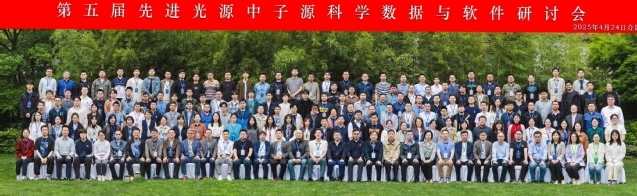
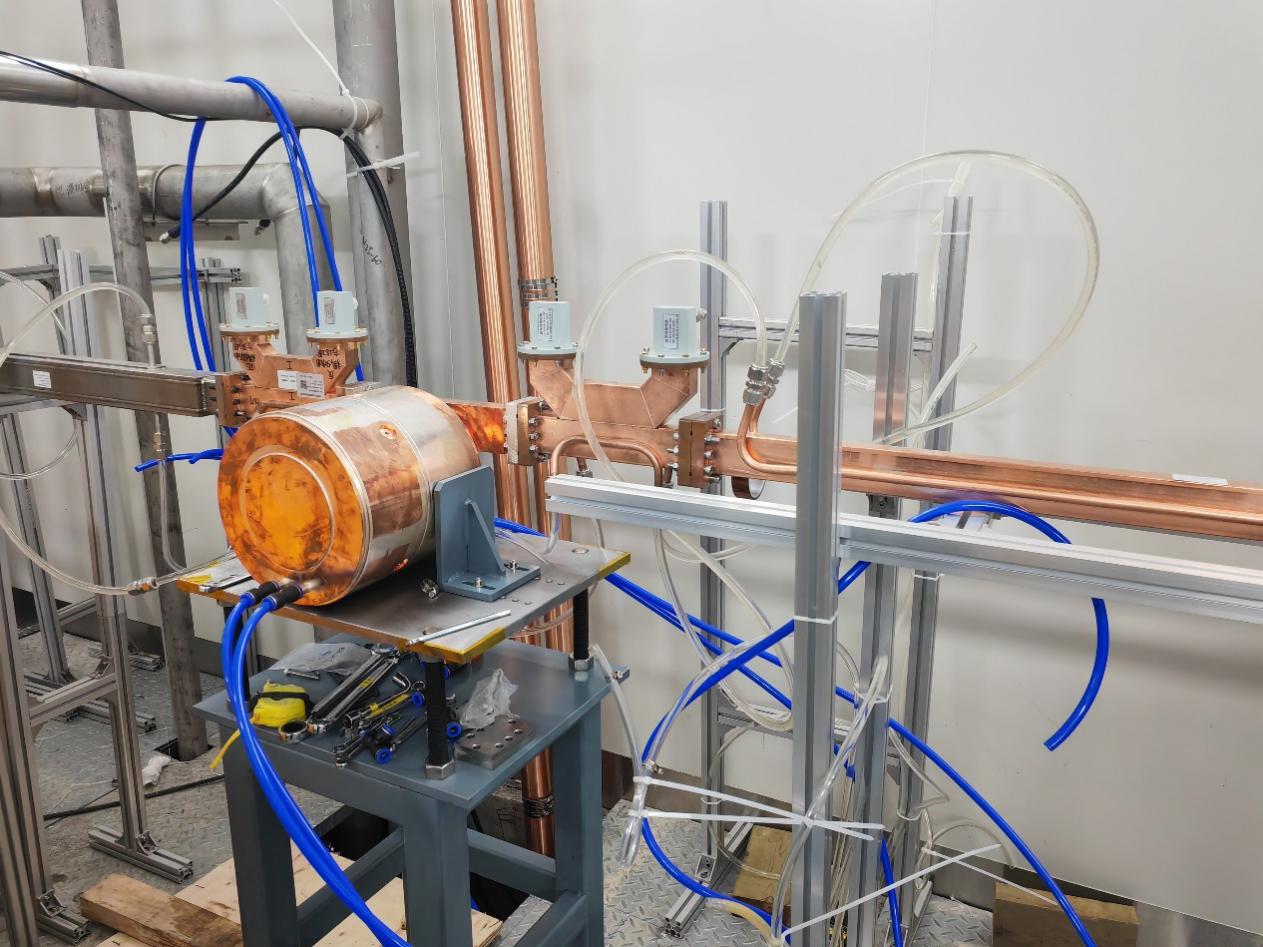
April 23–25, 2025—The 5th Workshop on Scientific Data and Software for Advanced Light Sources and Neutron Sources was successfully held in Hefei. Hosted by the National Synchrotron Radiation Laboratory (NSRL) of the University of Science and Technology of China (USTC), the conference was chaired by Prof. Liu Xiaosong, Deputy Director of NSRL, with Prof. Leng Yongbin (Deputy Director of NSRL) and Prof. Tai Renzhong (Deputy Director of the Shanghai Advanced Research Institute, Chinese Academy of Sciences) serving as co-chairs. Attendees included Su Fenzhen, Deputy Director of the Bureau of Science and Technology Infrastructure at the Chinese Academy of Sciences (CAS), and Lu Yu, Director of the Bureau of Frontier Sciences and Basic Research at CAS. Over 200 experts and researchers from more than 40 institutions, including USTC, the Institute of High Energy Physics (IHEP-CAS), ShanghaiTech University, and the Shanghai Advanced Research Institute (SARI-CAS), participated in the event.
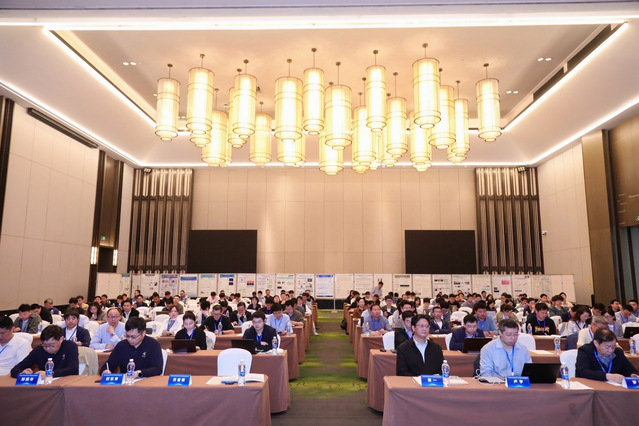
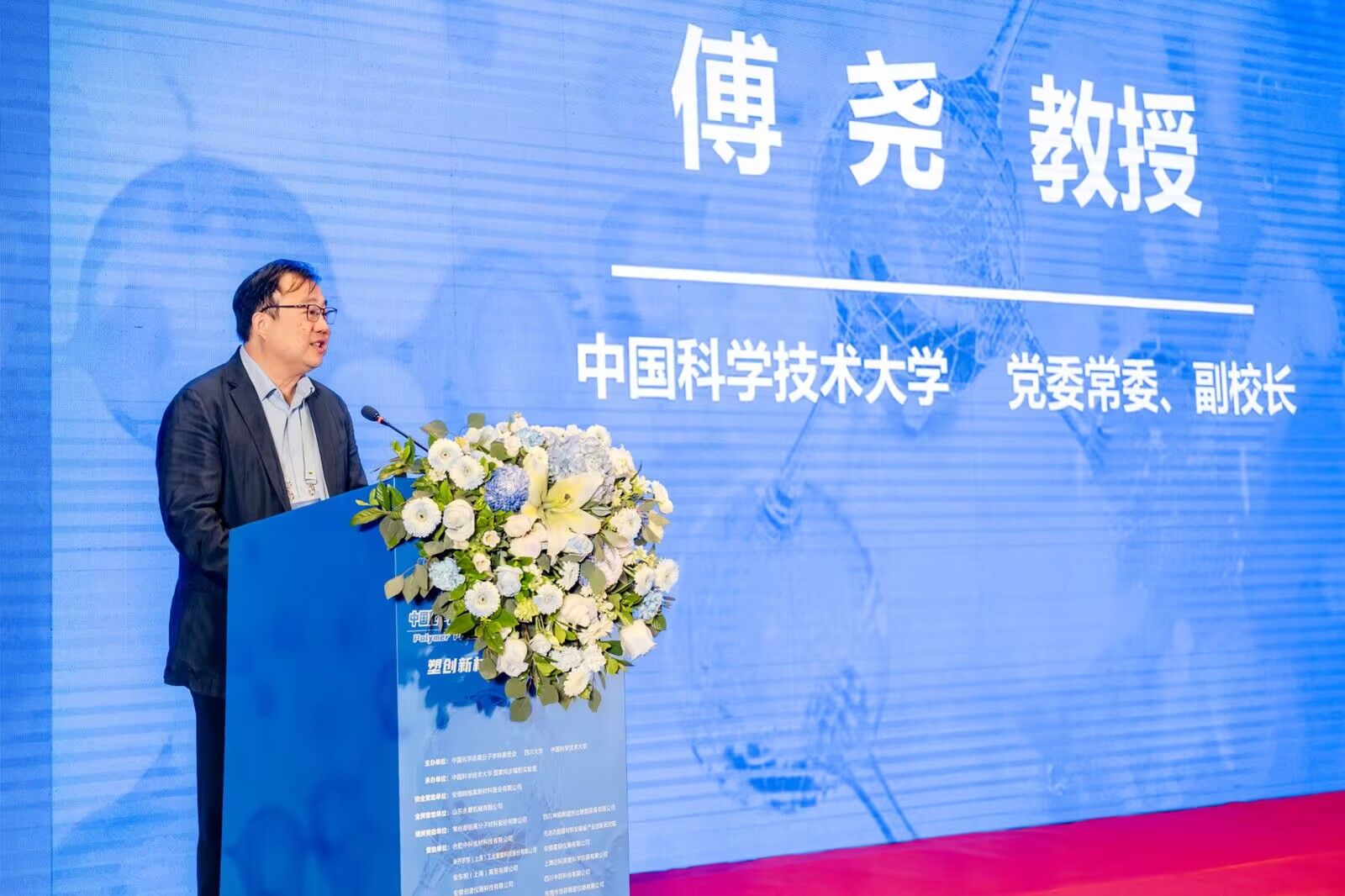
The opening ceremony, presided over by Prof. Liu Xiaosong, featured opening remarks by Su Fenzhen and Prof. Jiang Yi, Executive Deputy Secretary of the USTC Party Committee. The workshop centered on the latest advancements in scientific data and software and artificial intelligence (AI) applications for advanced light and neutron sources. Discussions spanned four key themes: IT infrastructure, control and data acquisition, data analysis and management, and AI-driven disciplinary innovation, providing a robust platform for interdisciplinary exchange.
The conference program included six plenary lectures:
Additionally, the event featured six facility progress reports, 12 invited talks, and 18 oral presentations.
Leading experts in AI shared cutting-edge research and practical applications of AI for Science, delving into AI’s core role in driving scientific research, its applications in chemistry, materials science, and large-scale facilities, and its profound impact on modern science. Representatives from major facilities, including the Hefei Advanced Light Source (HALS), Shanghai Synchrotron Radiation Facility (SSRF), Hard X-ray Free Electron Laser (SHINE), China Spallation Neutron Source (CSNS), and High-Intensity Heavy-Ion Accelerator Facility (HIAF), reported on engineering progress, digital and intelligent upgrades, and AI-driven technological innovations. Participants also presented advances in data and software development for light and neutron sources, including data center construction, scientific data processing frameworks, data management practices, and AI applications in data analysis, followed by in-depth discussions on current challenges and opportunities.
A poster session showcased 27 research achievements, with awards granted based on content quality, innovation, and presentation effectiveness.
In his closing remarks, Prof. Leng Yongbin highlighted the consensus within China’s advanced light and neutron source community on the critical need for collaborative data and software development. He emphasized progress in standardization, software framework design, system R&D, and AI algorithms through the Data and Software Alliance, stressing that the workshop would further refine data-sharing strategies, collaborative software development, and sustainable ecosystem-building for the field.