
Phase I of the Meridian Project commenced in 2008 and was completed in 2012. The project established 15 comprehensive stations along the 120°E longitude and 30°N latitude, forming the "Meridian Chain" for comprehensive ground-based space environment monitoring in the Eastern Hemisphere. Phase I of the project primarily focuses on establishing a chain-based system, supplemented by a network of monitoring stations, primarily covered eastern China. The project comprehensively utilizes various monitoring methods, including geomagnetic (electric), radio, optical, and sounding rockets, to continuously monitor space environment parameters. These parameters include magnetic fields, electric fields, atmospheric wind speed, density, temperature, composition, and solar wind speed from 20-30 kilometers above the Earth's surface to several hundred kilometers in the middle and upper atmosphere, ionosphere, and magnetosphere, as well as in interplanetary space several Earth radii away.
Over more than ten years of continuous operation,Phase I has accumulated over 9TB scientific data points,serving thousands of users domestically and internationally. The scientific team has published nearly 500 papers in renowned journals like Nature Physics,Nature Communication,GRL and JGR,obtained more than 100 patents,published 3 monographs,and received nine national and provincial awards.
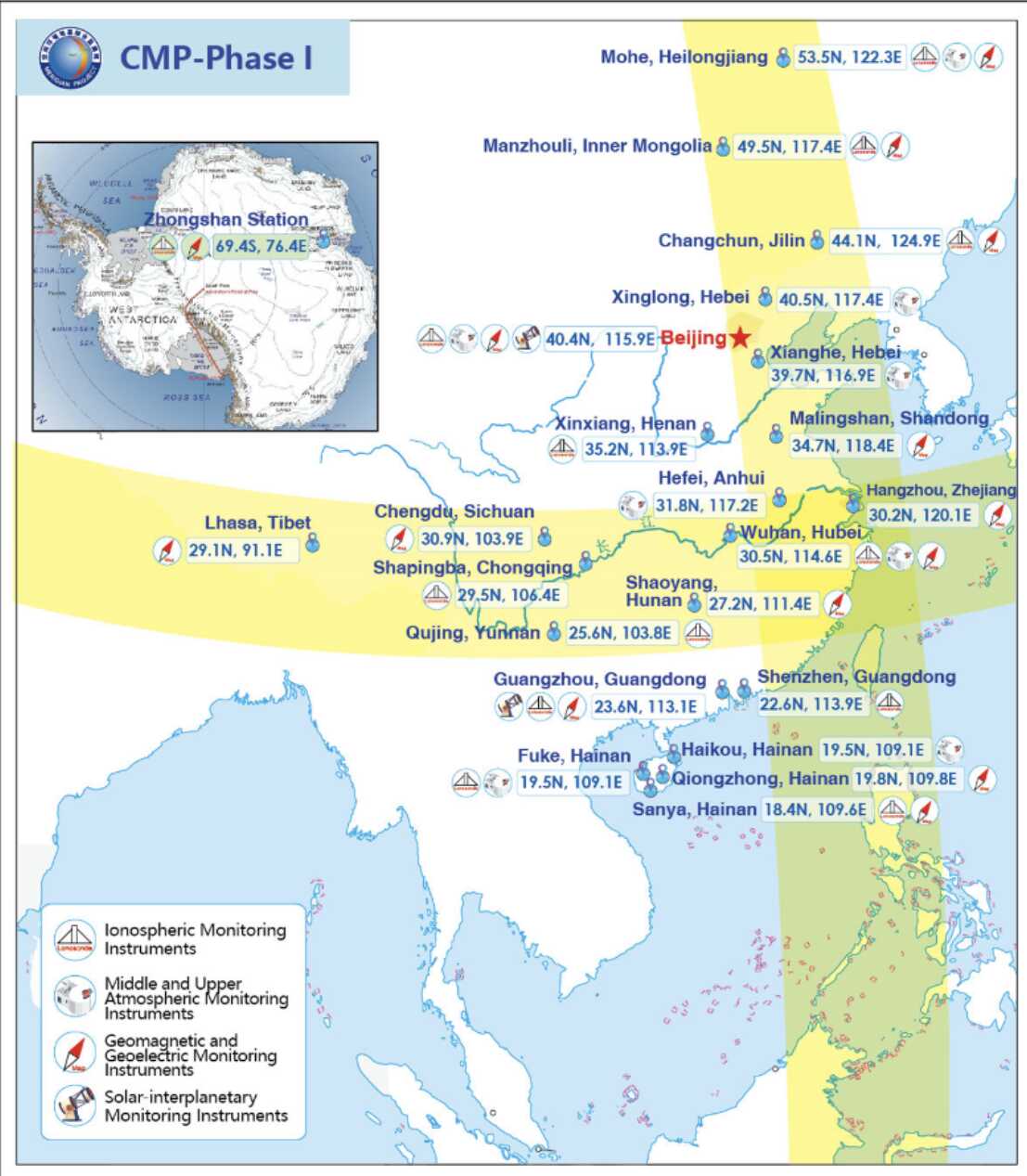
Figure 1: Layout of Monitoring Equipment for Phase I of the Meridian Project
Phase II of the Meridian Project began construction in 2019. Building on Phase I,it adds 16 new stations,creating a monitoring network composed of 31 stations and nearly 300 pieces of monitoring equipment arranged in a"井"(well) pattern along 100°E,120°E,40°N,and 30°N. The project consists of three systems: the space environment monitoring system,the data communication system,and the scientific application system.
The space environment monitoring system employs geomagnetic, radio, and opticalmethods to form a networked monitoring capability for the ionosphere, middle and upper atmosphere, and geomagnetic field over China ("Three Networks"). It includes the installation ofinternationally advanced large monitoring equipment in four key regions: high-latitude polar areas, northern mid-latitudes, Hainan (southern low-latitudes), and the Qinghai-Tibet Plateau, for fine "microscopic" detection of space environments ("Four Foci"). Additionally,a series of advanced solar-interplanetary monitoring devices will be established to provide comprehensive monitoring capability of the solar-terrestrial space chain ("One Chain"). The"One Chain,Three Networks,Four Foci"framework achieves a comprehensive,multi-faceted,and three-dimensional detection of the solar-terrestrial space environment from the ground for the first time.
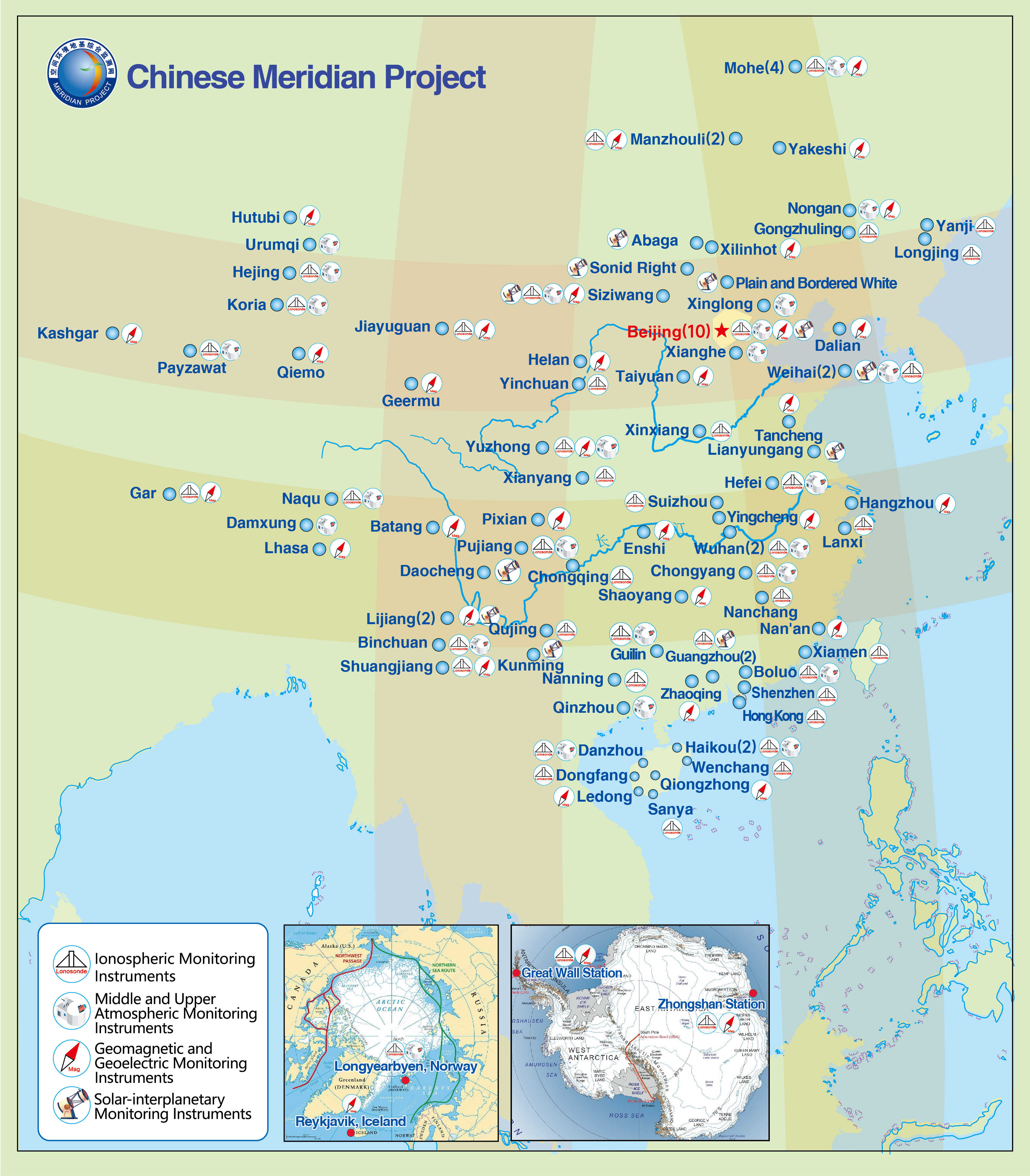
Figure 2: Layout of Monitoring Equipment for Phase II of the Meridian Project
To achieve the scientific and efficient operation of the monitoring network, integrate and merge multidisciplinary monitoring data, and facilitate the production of major scientific research results, Phase II of the Meridian Project will also establish the Meridian Project Integrated Information and Operations Control Center at the HuaiRou Campus of the National Space Science Center, Chinese Academy of Sciences. This center will deploy the data communication system to handle real-time data aggregation, processing, and distribution services, as well as the scientific application system to manage scientific operations, provide space environment forecasting services, and conduct data applications and research. The center will generate over fifty comprehensive products aimed at independent scientific research, space environment forecasting support, and interdisciplinary applications, enhancing the integration of space weather data and model development capabilities, and advancing China’s original achievements in solar-terrestrial space weather.
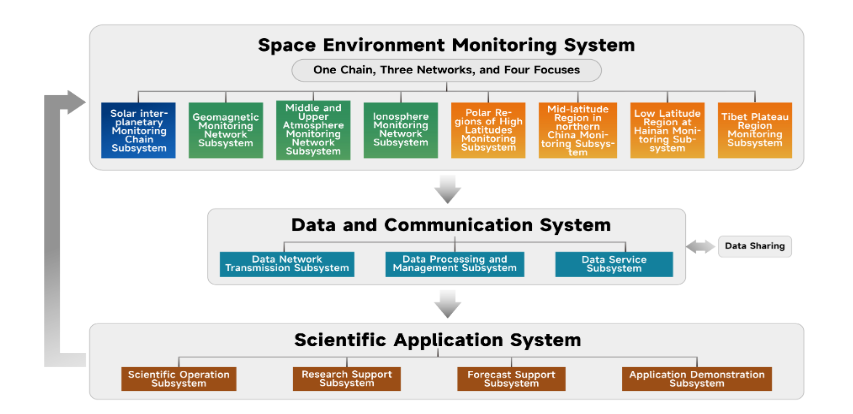
Figure 3: The Three Major Systems of the Meridian Project
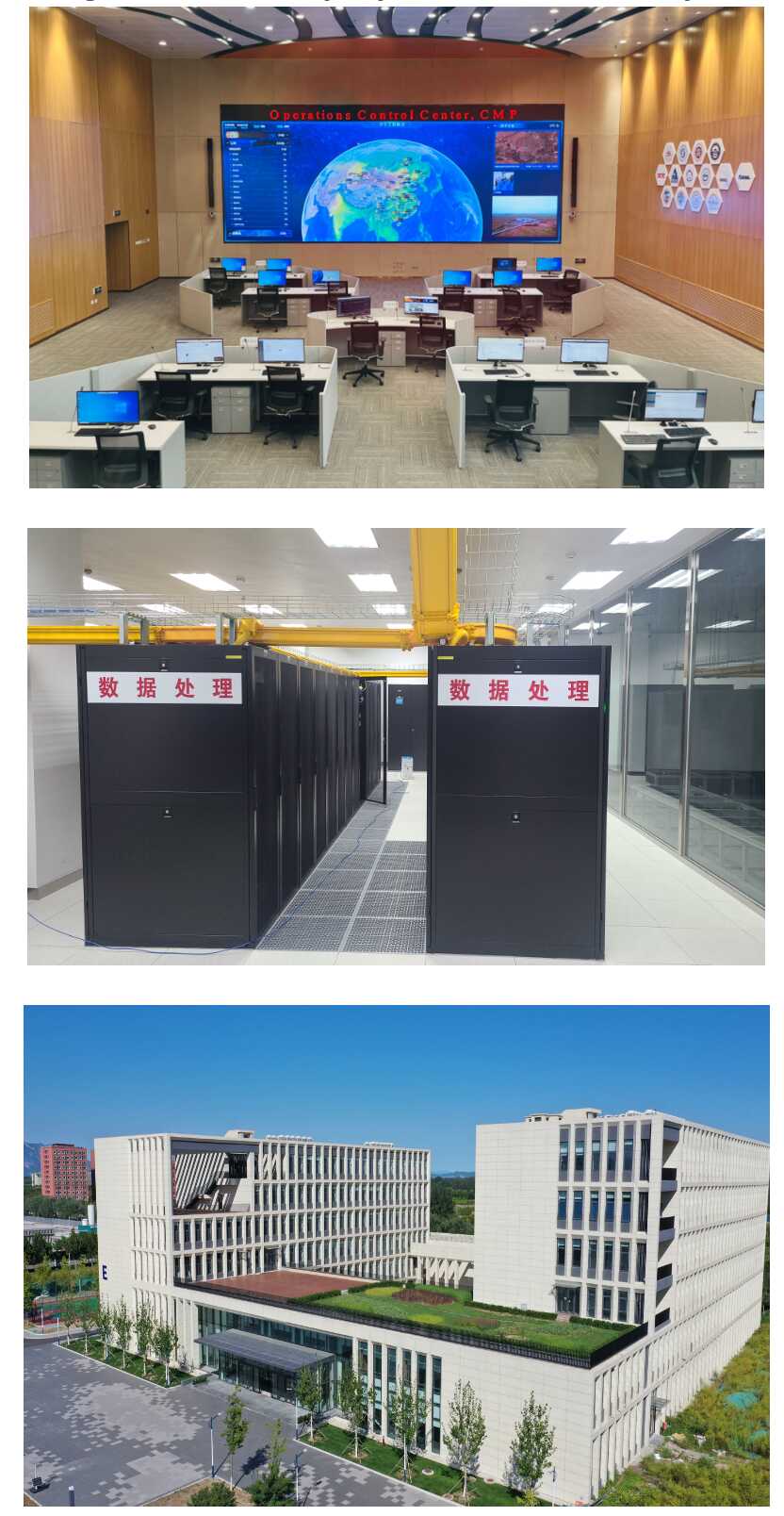
Figure 4: The Meridian Project Integrated Information and Operations Control Center
