
The hadal trench, specifically referring to the deep-sea areas with a water depth exceeding 6,000 meters, is characterized by ultra-high hydrostatic pressure, darkness, low temperature, and active tectonics, constituting the most extreme marine environment on Earth. The complex plate tectonic activities in this zone have nurtured unique chemosynthetic ecosystems and unknown life forms, making it the most cutting-edge frontier for major discoveries and theoretical breakthroughs in the fields of Earth science and life science.
Relying on the HOV Fendouzhe, the world's only 10,000-meter manned submersible with strong operational capabilities, and the "Exploration" series of research vessels as the global hadal trench scientific exploration platform, the Chinese Academy of Sciences has launched the "Global Trench Exploration and Diving program (Global TREnD)". The Institute of Deep-Sea Science and Engineering (IDSSE) within the Chinese Academy of Sciences, as the leading entity of this program, has further initiated multinational and multidisciplinary integrated deep-sea expeditions.Supported by more than 10 countries including New Zealand, Chile, Denmark, Indonesia, Brazil, and Germany, the programme has conducted manned deep-sea expeditions to nine major global abyssal trenches and abyssal zones, including the Mariana, Yap, Kermadec, Diamantina, Wharton, Java, Chiba-Kamchatka, Aleutian, and Puysegur Trenches. It has achieved a series of original scientific discoveries and set multiple world records in manned deep-sea operations.
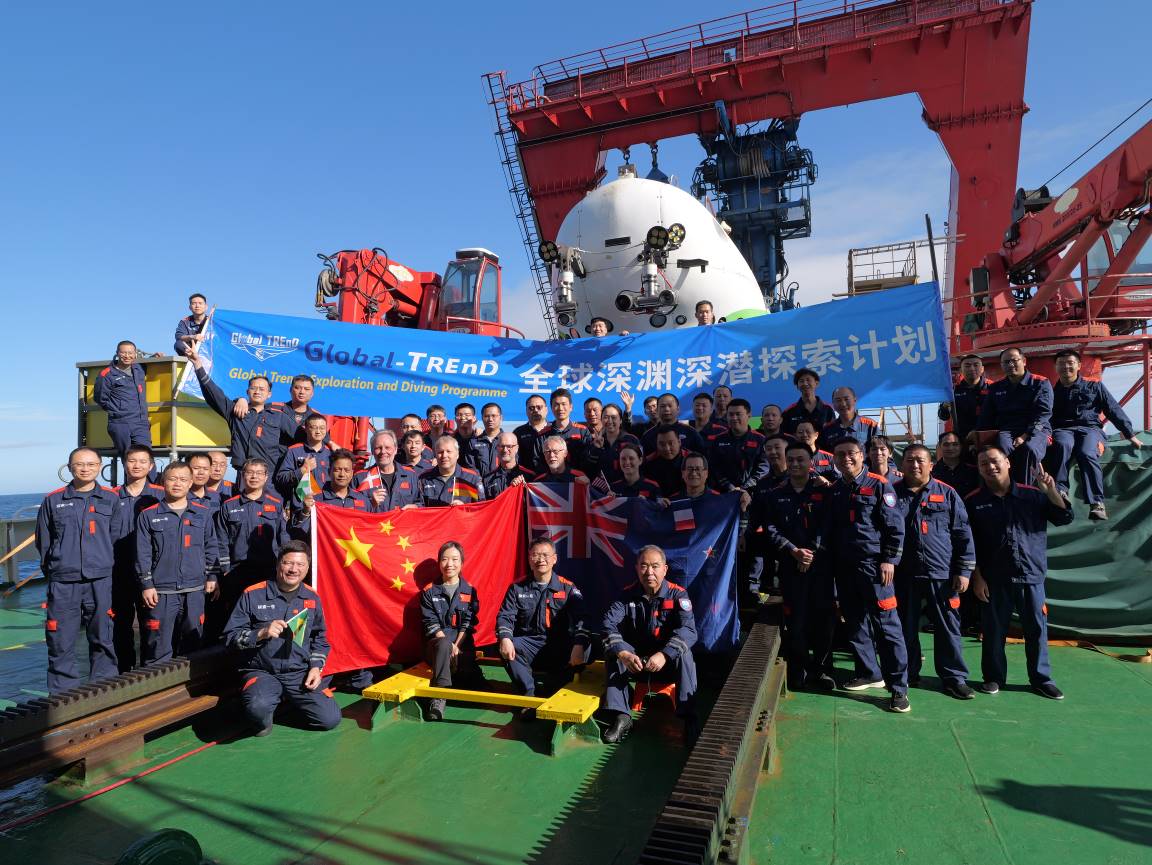
Group photo of the expedition
In the support of the Global TREnD, from January 1 to March 21, 2025, the National Key Laboratory of Deep-Sea Science and Intelligent Technology of the Institute of IDSSEjointly organized the China-New Zealand Joint Manned Deep-Diving Expedition to the Puysegur Trench with the National Institute of Water and Atmospheric Research (NIWA) of New Zealand. This expedition marked the first international manned deep-sea scientific investigation of the Puysegur Trench and the second China-New Zealand joint manned diving expedition.The expedition gathered 68 scientific team members from 10 institutions across 8 countries: New Zealand, Malaysia, Denmark, Germany, France, Brazil, India, and China. Participating organizations included IDSSE, NIWA, the Museum of New Zealand Te Papa Tongarewa, the University of Southern Denmark, the Helmholtz Centre for Polar and Marine Research in Germany, the French National Centre for Scientific Research (CNRS), the University of São Paulo in Brazil, and the Hainan Deep-Sea Technology Innovation Center.
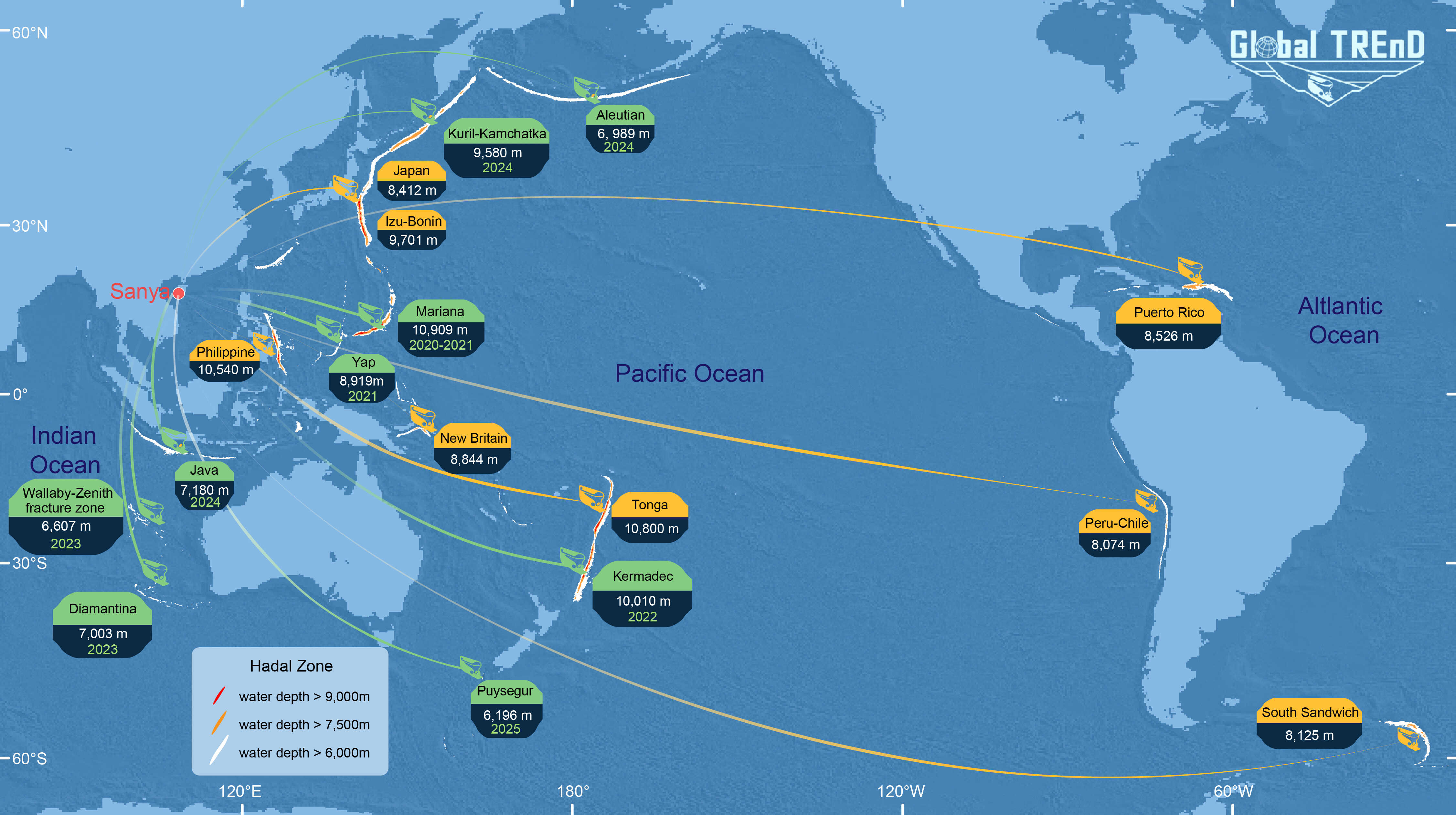
Global TREnD joins hands with global partners to advance into the hadal trench.
China's manned deep-sea diving operation and maintenance technologies continue to lead international standards, with the capability of deep-sea diving operations further enhanced. This marks the first international manned deep-sea scientific expedition conducted in the Puysegur Trench within the Devil's West Wind Belt. Under extremely harsh sea conditions, 32 diving missions were completed, setting a new Chinese record for manned deep-sea diving of 5 dives within 75 hours.
It has formed efficient and high-level international cooperation capabilities relying on China's deep-sea diving equipment. This expedition is an hadal trench manned scientific research expedition co-designed by Chinese and New Zealand scientists and jointly implemented by scientists from multiple countries. Nine diving missions were completed by foreign scientists. Samples and data collected during the expedition are shared by participating scientists, and the international cooperation and coordination mechanism relying on China's large-scale deep-sea diving equipment has become increasingly mature.
For the first time, humans have dived to the deepest part of the Puysegur Trench. Through manned deep-sea diving, a large number of novel life phenomena have been observed. A batch of precious biological samples have been collected,most of which set new depth records or are suspected new species. Additionally,a number of rock samples with different lithologies have been gathered, providing important specimens for revealing the research on subduction processes and mechanisms.
The Global TREnDhas also received strong support from the Ministry of Science and Technology of China and Hainan Province. In the follow-up, it will further expand the global hadal trench research network, join hands with global partners to continue advancing into the global hadal trench,and scale new heights in deep-sea science.
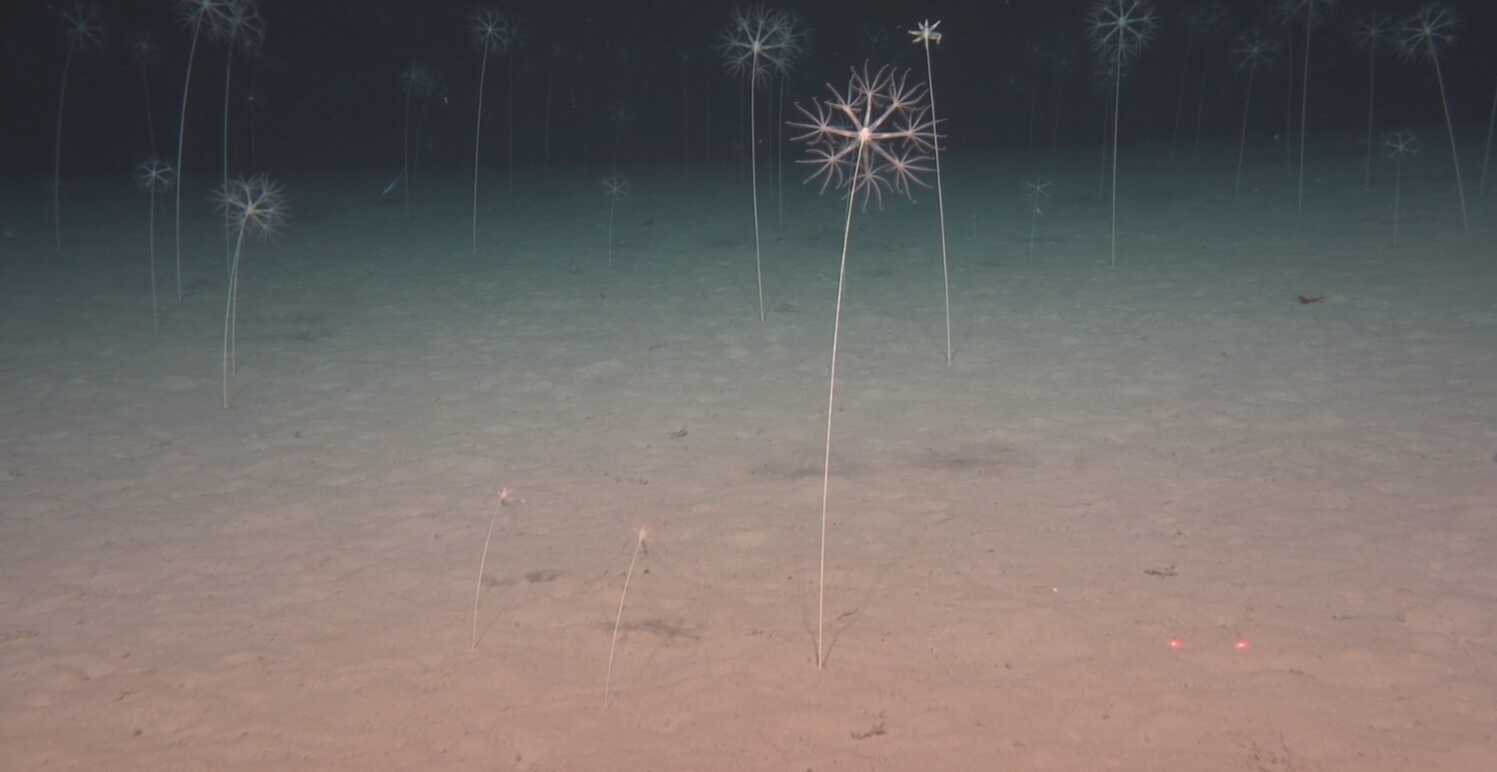
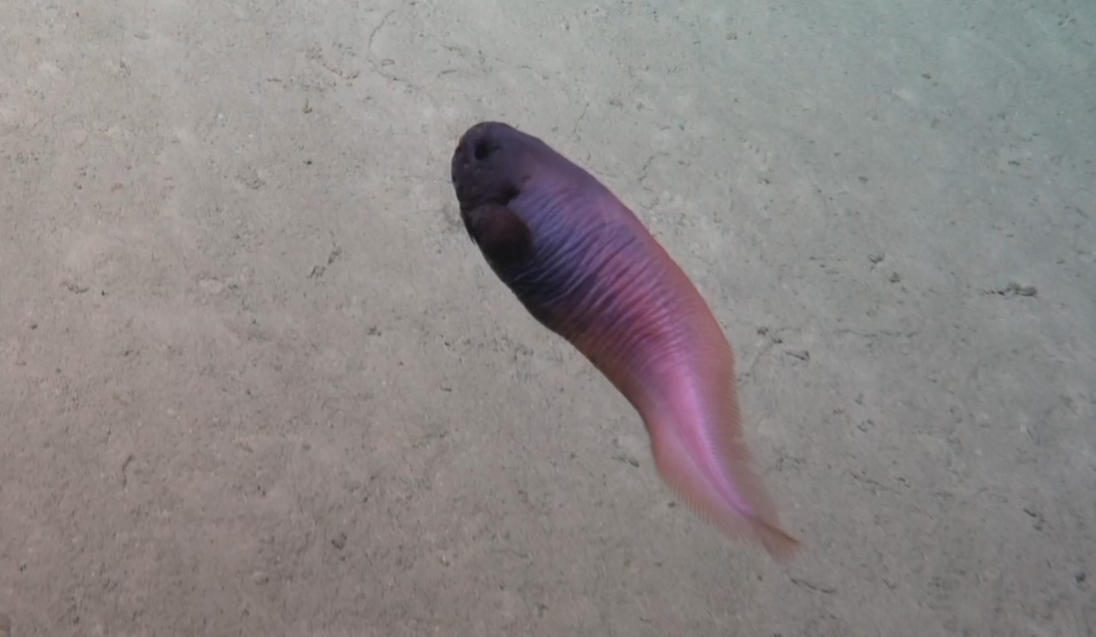
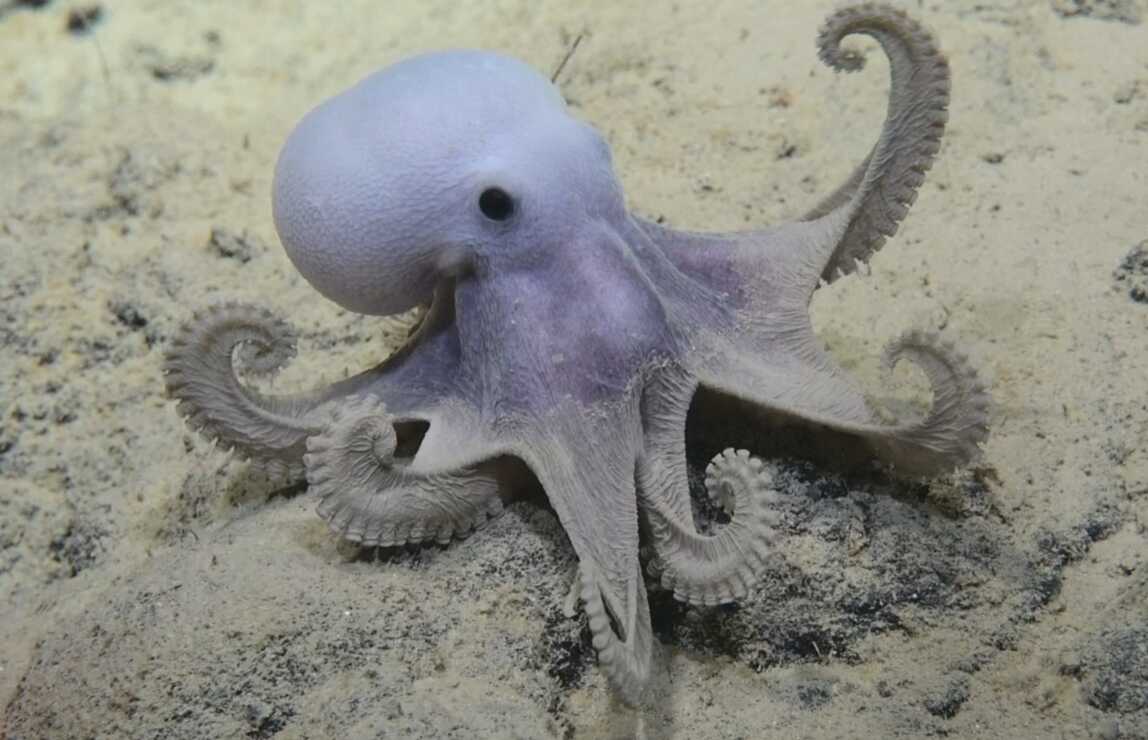
Creatures in deep sea


